


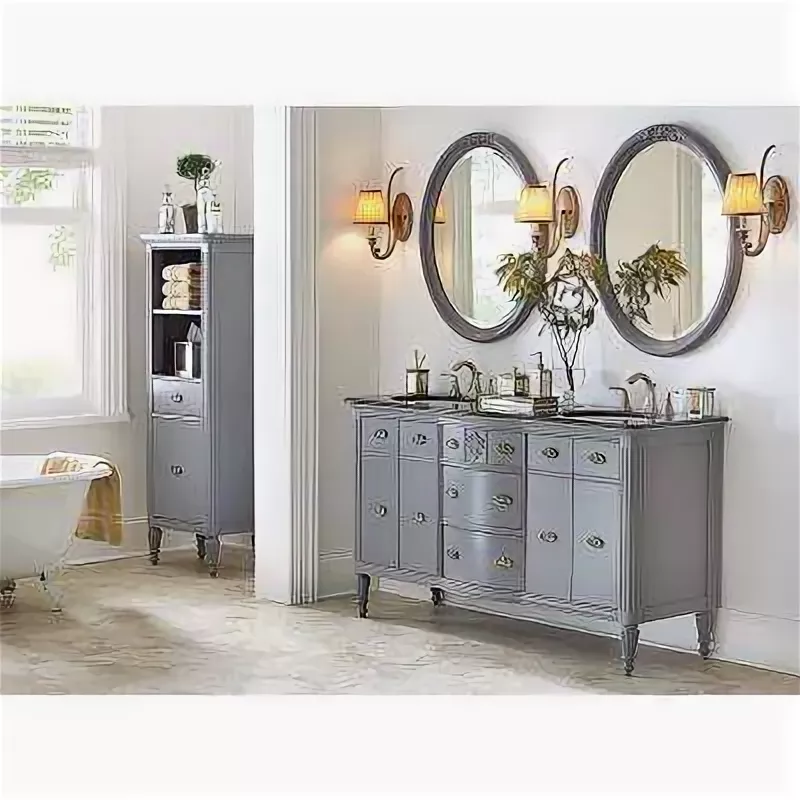
Choosing the right bathroom vanity is a crucial step in any renovation or home build. For homeowners in New Zealand, the decision often comes down to comparing timber vs. MDF bathroom vanity NZ – what’s best for you? To help you decide, this article breaks down the pros and cons of both materials in the context of style, durability, cost, and moisture resistance.
Understanding the Basics: What Is Timber and MDF?
Timber is natural wood that is either solid or engineered, often chosen for its authentic appearance and long-lasting quality. Popular varieties in New Zealand include oak, pine, and rimu.
MDF (Medium Density Fibreboard) is a man-made material composed of wood fibres, wax, and resin, compressed into strong panels. It’s widely used in modern bathroom vanities for its affordability and smooth finish, perfect for painted surfaces.
Aesthetic Appeal and Style
When comparing timber vs. MDF bathroom vanity NZ – what’s best for you, consider the look and feel you want to achieve. Timber offers natural grain patterns and a warm, rustic aesthetic that appeals to those seeking a traditional or organic style. Each piece is unique, adding charm and character to your space.
On the other hand, MDF vanities can be easily painted and finished in a variety of colours. They suit minimalist, contemporary, or Scandinavian designs, often preferred in modern NZ homes.
Durability and Moisture Resistance
New Zealand’s humid bathroom conditions make moisture resistance a key factor. Solid timber is naturally more robust but can warp or crack over time if not properly sealed and maintained. Regular sealing and ventilation are essential to protect your timber vanity.
MDF is engineered to be moisture-resistant when treated correctly. Moisture-resistant MDF (MR MDF) is often used in bathroom cabinetry, but it’s still vulnerable to prolonged water exposure or damage if the outer finish is chipped.
Cost Comparison
Cost is another important consideration when comparing timber vs. MDF bathroom vanity NZ – what’s best for you?
Timber vanities are generally more expensive due to the cost of natural materials and the craftsmanship involved. However, their longevity and timeless appeal can make them a worthwhile investment.
MDF vanities are significantly cheaper and offer a budget-friendly solution without compromising on style, especially for short- to medium-term renovations or rental properties.
Maintenance and Longevity
Timber vanities require ongoing care – think resealing, cleaning with appropriate products, and managing exposure to moisture. But with proper maintenance, a timber vanity can last decades.
MDF vanities are low-maintenance but may not last as long, especially in high-moisture environments. Once damaged, MDF is hard to repair compared to solid wood.
So, What’s Best for You?
If you value natural aesthetics, longevity, and don’t mind a bit of upkeep, timber is the way to go. But if affordability, ease of installation, and modern style are your priorities, MDF might be better suited to your needs.
Ultimately, when comparing timber vs. MDF bathroom vanity NZ – what’s best for you, the right choice depends on your budget, design vision, and how much wear and tear your bathroom will face.
