


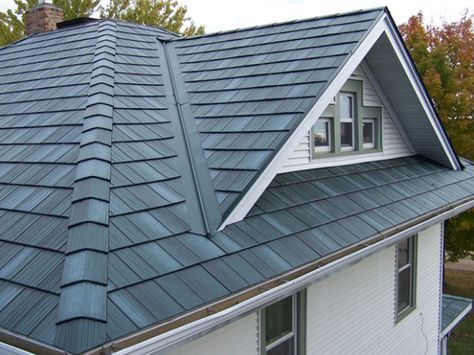
Embarking on a roof replacement cost project can be a significant investment, and while homeowners often budget for the obvious expenses like materials and labor, it’s the “hidden costs” that can truly derail a financial plan. These unforeseen charges can emerge during the project, leading to budget overruns and unexpected stress. Being aware of these potential pitfalls and discussing them with your contractor upfront is crucial for a smooth and financially predictable roof replacement.
1. Underlying Decking and Structural Repairs
This is perhaps the most common and often largest hidden cost. The true condition of your roof’s underlying structure—the decking (plywood or OSB) and rafters—can only be fully assessed once the old roofing material has been removed.
- Rot and Water Damage: Leaks that have gone unnoticed or unaddressed can cause significant rot, mold, or deterioration of the decking and supporting timbers. Replacing these damaged sections is essential for the integrity of your new roof but will add to the labor and material costs.
- Code Compliance: Older homes might have decking that doesn’t meet current building codes (e.g., thickness requirements). Upgrading to compliant materials during the replacement is a necessary but added expense.
Always ask your contractor about their process for handling unexpected decking or structural repairs and get an estimate for potential costs.
2. Multiple Layers of Old Roofing
While some homeowners hope for a “roof over” to save on tear-off costs, many existing roofs have multiple layers of old shingles. Building codes often limit the number of shingle layers, meaning all existing layers must be removed before a new roof can be installed.
- Increased Tear-Off Labor: Removing more than one layer is significantly more labor-intensive.
- Higher Disposal Fees: More material means more weight, leading to higher disposal costs at the landfill or recycling facility.
Ensure your contractor’s quote specifies the number of existing layers they anticipate and how additional layers would impact the tear-off cost.
3. Unforeseen Flashing and Ventilation Issues
Flashing around chimneys, skylights, vents, and valleys is critical for preventing water leaks. Similarly, proper attic ventilation is vital for your roof’s longevity and your home’s energy efficiency.
- Damaged or Inadequate Flashing: Old flashing might be corroded, improperly installed, or simply worn out. Replacing it with new, correctly installed flashing is a must, but it’s an additional material and labor cost.
- Insufficient Ventilation: If your current attic ventilation is poor, your contractor might recommend adding or upgrading vents. While this improves your home’s health and can lower energy bills, it’s an extra expense not always included in initial quotes.
Discuss the condition of your existing flashing and ventilation with your contractor and ask about recommended upgrades.
4. Steep Pitch and Accessibility Challenges
The complexity and accessibility of your roof directly impact labor time and, consequently, costs.
- Steep Pitch: Working on a very steep roof is more dangerous and requires specialized safety equipment, more time, and often a larger crew. This translates to higher labor rates.
- Limited Access: If the roof is difficult to access due to landscaping, fences, or the height of the home, contractors might need to rent scaffolding, cranes, or other equipment, adding to the project’s overhead.
Ensure your contractor has physically assessed your roof’s pitch and accessibility before providing a final quote.
5. Unplanned for Upgrades or Change Orders
Sometimes, hidden costs aren’t due to unforeseen damage but rather changes initiated by the homeowner during the project.
- Material Upgrades: Deciding to switch from standard asphalt to a more premium material like architectural shingles or metal after the project has started will incur additional costs.
- Design Changes: Adding a skylight, changing a roofline, or incorporating new features mid-project will lead to change orders and increased expenses.
While flexibility is good, try to finalize all design and material choices before construction begins to avoid costly mid-project alterations.
By being proactive, asking detailed questions, and budgeting for potential contingencies, homeowners can significantly reduce the likelihood of being surprised by hidden costs during their roof replacement project.
