


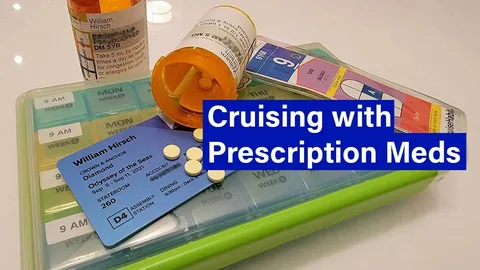
Relocating internationally is always complex, but the process becomes even more delicate when prescription medications are involved. Different countries have varying laws, restrictions, and documentation requirements for pharmaceuticals, and failing to prepare can result in confiscation or even legal trouble. Just as hiring a Flyttfirma Bjuv helps ensure the physical move runs smoothly, researching and preparing for medication regulations ensures your health needs remain uninterrupted during your transition abroad.
Why Medication Rules Differ Across Borders
What’s legal and common in one country may be heavily restricted in another. Some nations ban medications that are available over the counter elsewhere, while others place strict limits on controlled substances. Customs officials are tasked with regulating imports to protect public health, which means travelers carrying prescriptions are often subject to scrutiny.
Step 1: Research Destination Country Regulations
Before moving, contact the embassy or consulate of your new country to confirm which medications are permitted. Many nations publish lists of restricted substances online, but embassies provide the most accurate and up-to-date information.
Step 2: Obtain Detailed Documentation
Carry a doctor’s letter outlining your medical condition, the prescribed medication, and the dosage. Include generic drug names as brand names may differ abroad. Having original prescriptions and pharmacy labels also strengthens your case with customs officers.
Step 3: Bring Only What You Need
Most countries allow a limited supply of medication, often 30 to 90 days. Bringing excessive quantities can raise suspicions, even with prescriptions. Plan to refill your prescriptions once settled.
Step 4: Use Secure Packing Methods
Keep medications in their original packaging with clear labeling. Carry them in your hand luggage rather than checked baggage to prevent loss or temperature damage during transit.
Step 5: Plan Logistics With Movers
While your personal luggage should carry medications, other essentials may still require professional moving support. Working with providers who specialize in city-to-city moving services ensures your household goods arrive safely while you manage more sensitive personal needs. Movers can coordinate timing so you’re not left waiting for everyday items like kitchenware or clothing, allowing you to focus on medical and legal priorities.
Step 6: Explore Alternatives Abroad
If your prescription is restricted, ask your doctor about alternative medications that are legal in your destination country. In some cases, local doctors can prescribe suitable substitutes once you arrive.
Step 7: Understand Refill Options
Investigate whether you’ll be able to refill your prescriptions abroad. Some countries require local prescriptions, while others accept international ones. Research pharmacies, healthcare systems, and insurance coverage to avoid disruptions.
Step 8: Prepare for Customs Inspections
Be ready for questions at customs. Present documents confidently, and don’t try to conceal medications. Transparency reassures officials that your medications are for personal use.
Step 9: Consider Health Insurance Coverage
Ensure your international health insurance covers ongoing prescriptions and doctor visits abroad. Some policies include medication benefits, while others require separate coverage.
Step 10: Build a Medical Support Network
Once settled, register with a local doctor or healthcare facility. Establishing care early makes it easier to manage prescriptions, renewals, and emergencies.
Common Mistakes to Avoid
- Bringing banned medications without checking regulations.
- Packing prescriptions in checked luggage instead of carry-on.
- Traveling without proper documentation.
- Assuming your home country’s laws apply everywhere.
Benefits of Proper Preparation
- Continuity of care: No disruptions to your medical treatment.
- Legal safety: Avoids penalties or confiscation at customs.
- Peace of mind: Confidence in handling health needs abroad.
- Practicality: Smooth integration into the new healthcare system.
Conclusion: Health Comes First in an International Move
Moving overseas brings new opportunities, but your health must remain the top priority. By researching regulations, carrying proper documentation, and planning logistics with professionals, you can ensure your prescriptions travel with you safely.
Just as movers handle your furniture with care, your preparation handles your medical needs with precision. With foresight and organization, you can relocate abroad confidently, knowing your well-being won’t be compromised.
