


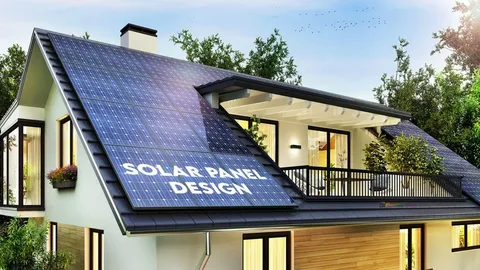
As energy costs continue to rise and environmental concerns become increasingly urgent, homeowners are turning to solar energy to reduce their utility bills and carbon footprint. The year 2025 brings exciting advancements in residential solar technologies, offering more efficient and affordable options than ever before. In this article, we will explore the Top 5 Residential solar system for home Energy Savings in 2025, helping you make an informed choice for your home.
Why Invest in Residential Solar Systems in 2025?
Solar power is no longer just an eco-friendly alternative; it’s a smart financial decision. With government incentives, improved solar panel efficiency, and innovative storage solutions, 2025 is the perfect time to upgrade or install a solar system at home. These systems can drastically reduce energy bills, increase property value, and provide energy independence.
1. Grid-Tied Solar Systems with Battery Backup
One of the most popular choices for homeowners is a grid-tied system complemented by a battery backup. This setup allows you to use solar energy during the day, store excess power in batteries, and draw from the grid when necessary.
- Benefits: Continuous power supply, energy savings during peak hours, and backup during outages.
- Ideal for: Homes in areas with reliable grid access but occasional power interruptions.
2. Off-Grid Solar Systems
For those looking to completely disconnect from the utility grid, off-grid solar systems are a great option. These systems rely solely on solar panels and battery storage to power the entire home.
- Benefits: Full energy independence and resilience in remote locations.
- Ideal for: Rural homes or homeowners prioritizing self-sufficiency.
3. Solar Water Heating Systems
Beyond powering your home, solar technology can be used to heat water efficiently. Solar water heating systems reduce the energy needed for hot water by using solar thermal panels.
- Benefits: Significant reduction in water heating costs.
- Ideal for: Households with high hot water demand.
4. Hybrid Solar Systems
Hybrid systems combine the advantages of grid-tied and off-grid setups. They allow homeowners to draw power from solar panels, batteries, and the grid as needed.
- Benefits: Flexibility, energy savings, and power reliability.
- Ideal for: Homes in areas with variable solar production or grid reliability issues.
5. Solar-Powered EV Charging Stations
As electric vehicles (EVs) become more mainstream, integrating a solar-powered EV charger into your residential setup is a forward-thinking move. This system uses solar energy to charge your vehicle, reducing dependence on grid electricity.
- Benefits: Lower EV charging costs and increased use of renewable energy.
- Ideal for: EV owners wanting to maximize green energy usage.
Conclusion: Choosing the Best Setup for Your Home
Understanding the Top 5 Residential Solar System Setups for Energy Savings in 2025 allows homeowners to tailor their investment according to their energy needs, location, and budget. Whether you prioritize independence with an off-grid system, flexibility with a hybrid system, or enhanced savings through solar water heating, 2025 offers solar solutions that make renewable energy more accessible and cost-effective than ever.
