


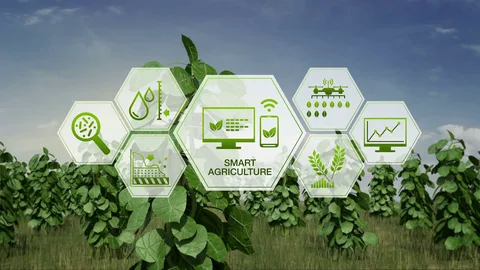
In recent years, agriculture has undergone a significant transformation. Traditional farming methods are increasingly being supplemented with modern technology, giving rise to smart agriculture, a data-driven approach that is revolutionizing the way crops are grown and managed. By leveraging advanced technologies, farmers can now make informed decisions that maximize productivity, optimize resource use, and ensure sustainable practices.
What is Smart Agriculture?
Smart agriculture involves the use of digital tools, sensors, and data analytics to monitor and manage agricultural activities. From soil moisture levels to weather forecasts, every aspect of crop management can be tracked and analyzed. This allows farmers to respond proactively to changing conditions, ultimately improving crop health and yield.
Technologies commonly used in smart agriculture include:
- IoT sensors to monitor soil and plant conditions
- Drones for aerial imaging and crop monitoring
- AI and machine learning to predict crop performance
- Automated irrigation systems for precise water management
How Data Boosts Crop Yields
Data is at the heart of boosting crop yields in modern farming. By collecting and analyzing real-time information, farmers can:
- Optimize Irrigation and Fertilization: Data-driven insights ensure that crops receive the exact amount of water and nutrients they need, reducing waste and promoting healthier growth.
- Predict Pest and Disease Outbreaks: Early detection of potential threats allows for timely interventions, minimizing crop loss.
- Enhance Crop Planning: Data analytics help farmers choose the right crop varieties and planting schedules based on environmental conditions and market demand.
By integrating these data-driven practices, smart agriculture not only improves yield but also reduces environmental impact, promoting sustainable farming.
Benefits of Implementing Smart Agriculture
Adopting smart agriculture techniques offers numerous advantages:
- Increased Productivity: Data-guided decisions lead to higher crop output.
- Resource Efficiency: Optimized use of water, fertilizers, and pesticides saves costs.
- Environmental Sustainability: Reduced chemical use and efficient resource management protect the ecosystem.
- Improved Decision-Making: Farmers can make proactive choices based on real-time insights rather than intuition alone.
Conclusion
The future of farming lies in harnessing the power of data. Smart agriculture: boosting crop yields with data is not just a trend but a necessity for meeting global food demands. By embracing these innovations, farmers can achieve higher productivity, reduce waste, and build a more sustainable agricultural system for generations to come.
