


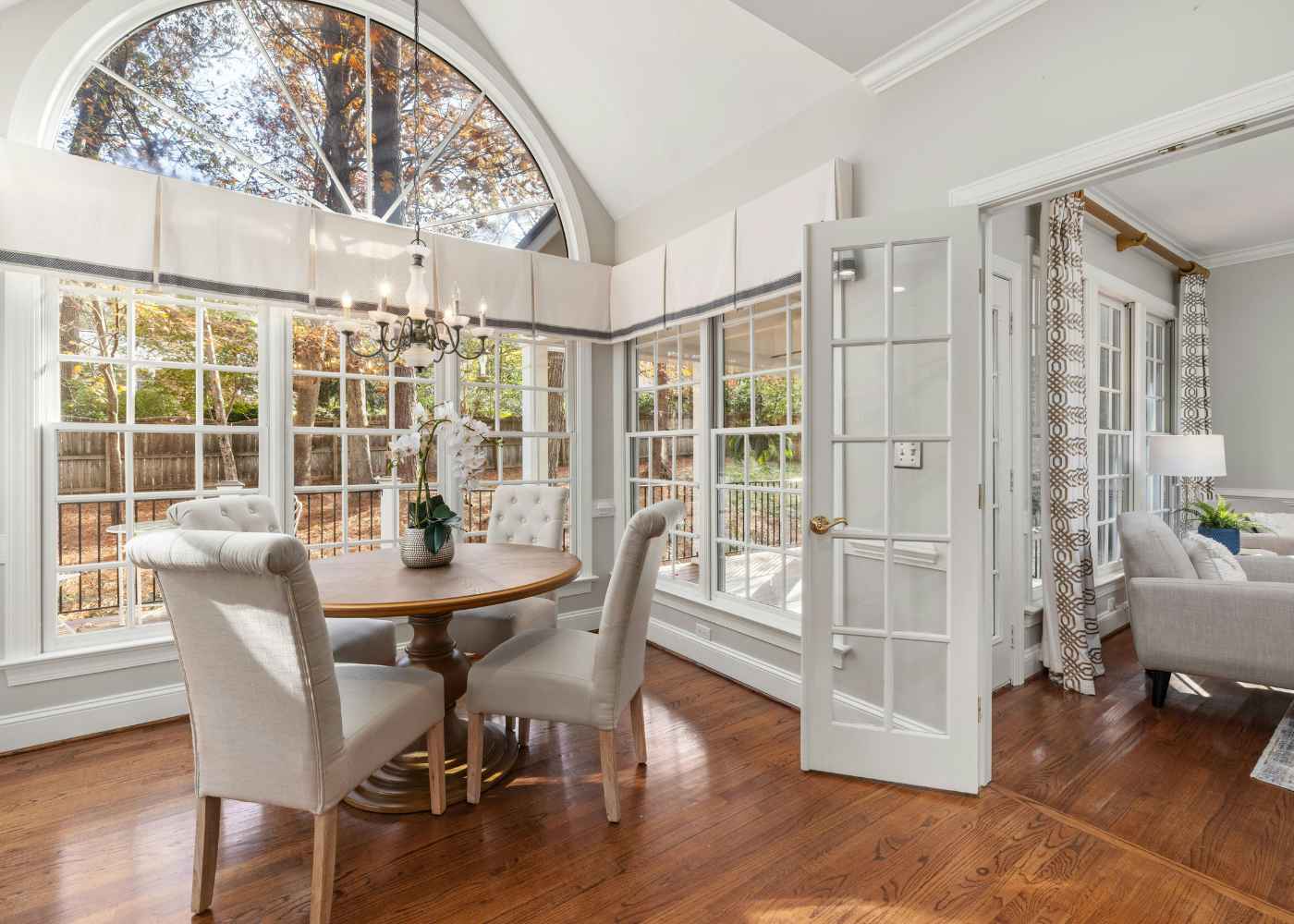
Trends come and go with remarkable speed, leaving homeowners who chased the latest looks with spaces that feel dated almost as soon as the installation crew departs. The farmhouse aesthetic that dominated a decade ago now crowds thrift stores as homeowners rush to replace shiplap with whatever currently fills design magazines. Designing a home that remains beautiful and relevant for years requires intentional choices that prioritize enduring appeal over momentary popularity.
Understanding what creates lasting design helps homeowners invest wisely in spaces they will love long after current trends have faded.
Choosing Classic Foundations
The permanent elements of any home deserve the most conservative treatment. Flooring, cabinetry, countertops and built-in features require significant investment to change, making trendy choices in these areas particularly risky. Materials and styles that have remained appealing for decades provide safer foundations than those that just emerged.
Natural materials tend to age better than synthetic alternatives that can look dated as manufacturing styles evolve. Hardwood floors, stone countertops and solid wood cabinetry have looked appropriate for generations and show no signs of losing their appeal.
Neutral colors in permanent installations allow flexibility as tastes evolve. While bold cabinet colors might feel exciting today, they constrain future decorating options in ways that white, gray or natural wood tones do not.
Investing in Quality Construction
Cheap materials reveal themselves over time in ways that degrade both appearance and function. Cabinet doors that sag, hardware that tarnishes and surfaces that wear through tell stories of cut corners that no styling can overcome. Quality construction maintains its beauty while inferior alternatives deteriorate.
The craftsmanship behind visible surfaces matters as much as the surfaces themselves.
Choosing companies like The Decorators Unlimited ensures attention to detail that affects how spaces age over years of actual living. Their approach to creating timeless spaces steeped in luxury and comfort reflects understanding that true quality endures beyond temporary trends. Every aspect from conception to final walk-through receives the precision that lasting beauty requires.
Balancing Trendy and Timeless Elements
Current styles need not be avoided entirely to create lasting spaces. The key involves applying trendy elements in ways that allow easy updating without major renovation. Paint colors, textiles, artwork and accessories can follow current aesthetics because changing them requires modest investment.
Layer temporary trend elements over permanent classic foundations. A timeless kitchen with neutral cabinetry and stone countertops can incorporate trendy colors through towels, small appliances and decorative objects that swap out effortlessly when tastes shift.
This layered approach lets homeowners enjoy current styles without committing to them permanently. The space feels current today while remaining adaptable to whatever aesthetics emerge tomorrow.
Prioritizing Functionality Over Fashion
Layouts that work beautifully for actual daily life never go out of style. Spaces designed primarily for visual impact often prove frustrating to inhabit once the novelty fades. Functionality must drive major decisions even when fashion tempts in other directions.
Consider how you actually use each room rather than how it might photograph for social media. Kitchens need adequate storage and sensible workflow more than statement backsplashes. Living rooms require comfortable seating arrangements before dramatic focal walls.
Practical spaces that accommodate real life continue feeling right long after impractical showpieces have revealed their limitations through daily use.
Creating Cohesive Flow Throughout
Homes that feel connected from room to room maintain their appeal better than those with jarring transitions between distinct aesthetics. Carrying elements through multiple spaces creates continuity that reads as intentional design rather than an accumulation of separate projects over time.
Color palettes that flow naturally from room to room unify homes without requiring identical decoration everywhere. Repeated materials, consistent trim details and complementary furniture styles reinforce the sense of thoughtful planning.
This cohesion becomes more important as homes age because disconnected spaces often feel increasingly random rather than deliberately eclectic.
Working With Professional Guidance
Interior designers bring perspective that homeowners immersed in current trends often lack. Their experience watching styles rise and fall across multiple cycles informs recommendations that balance contemporary appeal with lasting relevance. The collaboration between professional expertise and personal aspirations produces results neither achieves alone.
Designers also access resources unavailable to individual homeowners. Trade-only furnishings, custom fabrication options and established relationships with quality craftspeople expand possibilities beyond retail limitations.
The investment in professional guidance often prevents costly mistakes that result from chasing trends without understanding their likely longevity. Designers who have seen countless styles come and go recognize which current elements will endure and which will soon look as dated as avocado appliances do today.
Embracing Personal Style
Ultimately, homes that reflect genuine personalities rather than copied trends maintain their appeal longest. Spaces designed around things their inhabitants actually love feel authentic in ways that trendy spaces assembled from magazine inspiration cannot match.
Authentic personal style transcends trends because it was never defined by them. The collections gathered over lifetimes, the colors that genuinely resonate and the arrangements that feel right regardless of current fashion all create homes that remain satisfying through decades of changing aesthetics.
