


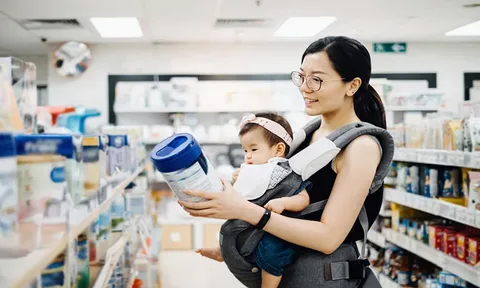
Preparing baby formula correctly is essential for your infant’s health and safety. Whether you’re a first-time parent or a caregiver, understanding the right techniques and hygiene practices is crucial. This article will walk you through how to safely prepare baby formula at home, ensuring your baby receives optimal nutrition without the risk of contamination or illness.
Why Safe Formula Preparation Matters
Infants have developing immune systems, which makes them more vulnerable to infections and illnesses caused by bacteria. Improperly prepared formula can lead to digestive issues, foodborne illness, and in severe cases, hospitalization. By learning how to safely prepare baby formula at home, you can significantly reduce these risks.
Gather What You Need
Before starting, ensure you have the following:
- Clean bottles and nipples
- Fresh, safe water (boiled and cooled if necessary)
- Baby formula (check expiration date)
- A clean surface and washed hands
Hygiene is the foundation of safe formula preparation.
Step-by-Step Guide: How to Safely Prepare Baby Formula at Home
1. Wash Hands and Sterilize Equipment
Always begin by washing your hands thoroughly with soap and warm water. Sterilize bottles, nipples, and any utensils using hot water or a sterilizer, especially if your baby is under three months old.
2. Use Safe Water
Boil tap water and let it cool for no more than 30 minutes. If you’re using bottled water, make sure it’s labeled as safe for infant consumption. Never use hot tap water directly due to potential contaminants.
3. Measure the Formula Correctly
Follow the manufacturer’s instructions precisely. Use the provided scoop and level it off—do not heap or compress the powder. Adding too much or too little formula can cause nutritional imbalances or digestive issues.
4. Mix and Cool Safely
Combine the water and formula in the bottle, seal it tightly, and shake well until fully mixed. Cool the bottle under running water or in a container of cold water. Test the temperature on your wrist—it should feel warm, not hot.
Storing Prepared Formula
If you’re not feeding your baby immediately, refrigerate the prepared formula and use it within 24 hours. Never leave formula at room temperature for more than two hours, and always discard any leftover milk after a feeding to avoid bacterial growth.
Final Tips for Parents
- Don’t microwave formula—it can cause uneven heating and burns.
- Keep formula containers tightly sealed and stored in a cool, dry place.
- Practice makes perfect—eventually, you’ll be more confident about how to safely prepare baby formula at home.
Conclusion
Learning how to safely prepare baby formula at home is a key step in protecting your infant’s health. With the right hygiene, tools, and techniques, you can ensure that every bottle you prepare is safe, nutritious, and ready to support your baby’s growth and development.
