


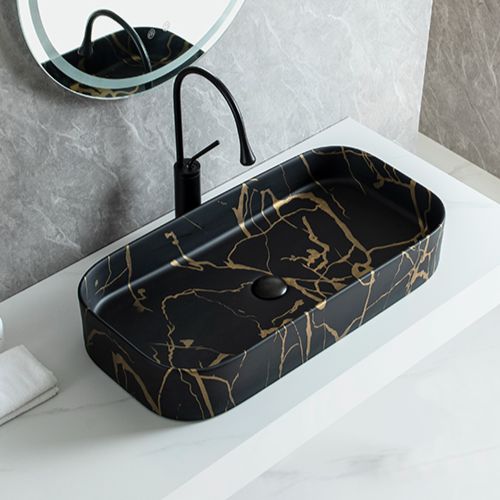
The bathroom basin, once a purely utilitarian fixture, has evolved into a pivotal design element, reflecting personal style and incorporating cutting-edge innovations. In 2025, the landscape of designer bathroom basins is dynamic, blending luxurious aesthetics with enhanced functionality and a strong emphasis on sustainability. From sculptural forms to smart technology, here’s a look at the latest trends shaping the future of bathroom design.
1. Embracing Natural Materials & Organic Forms
A dominant trend sees a return to nature, with basin crafted from authentic, tactile materials. Marble and onyx are particularly prominent, celebrated for their unique veining and translucent qualities. When backlit, onyx basins create a soft, ethereal glow, transforming the basin into a luminous focal point. Beyond these luxurious stones, granite and concrete are also gaining traction, offering robust durability and a raw, industrial-chic aesthetic.
Accompanying this material shift is a move towards more organic and sculptural shapes. Gone are the days of strictly rectangular or oval basins. Designers are experimenting with asymmetrical, free-form, and artfully curved silhouettes that elevate the basin from a simple sink to a work of art. These forms, often hand-carved, add a sense of bespoke luxury and quiet drama to the bathroom.
2. The Rise of Integrated & Floating Designs
Seamlessness and spaciousness are key drivers in contemporary bathroom design. This is evident in the growing popularity of integrated basins, where the sink is seamlessly molded into the countertop material (such as solid surface, quartz, or even stone). This creates a unified, minimalist look that is incredibly easy to clean, as there are no rims or crevices to trap dirt.
Complementing integrated designs are floating vanities and wall-mounted basins. By freeing the floor space beneath, these designs create an illusion of greater roominess, making them ideal for compact bathrooms. The clean lines and uncluttered appearance contribute to a modern, airy ambiance, often enhanced by subtle under-cabinet lighting.
3. Smart Technology & Enhanced Functionality
As smart home technology integrates further into our daily lives, the bathroom is no exception. Designer basins are increasingly incorporating intelligent features that enhance convenience, hygiene, and water efficiency.
Trends include:
- Touchless Faucets: Sensor-activated taps promote hygiene by eliminating the need to touch surfaces, reducing germ spread.
- Integrated Temperature Control: Basins with built-in digital controls allow for precise water temperature adjustments, enhancing comfort and preventing scalding.
- Motion Sensors: Some advanced basins can detect presence, activating water flow or even adjusting lighting for a personalised experience.
- Self-Cleaning Surfaces: Innovations in material science are leading to basins with bacteriostatic or easy-clean coatings, reducing maintenance efforts.
These smart features not only elevate the user experience but also contribute to water conservation, aligning with broader eco-conscious trends.
4. Sustainable & Eco-Conscious Choices
Sustainability is no longer a niche preference but a fundamental aspect of modern design. For bathroom basins, this translates into several key areas:
- Recycled and Reclaimed Materials: Basins made from recycled glass, concrete, or reclaimed wood are gaining popularity, offering unique textures and a reduced environmental footprint.
- Durable, Long-Lasting Materials: Investing in high-quality, durable materials like natural stone or robust ceramics ensures the basin has a longer lifespan, reducing the need for frequent replacements.
- Water-Saving Designs: While often linked to faucets, basin designs themselves can promote water efficiency through optimal depth and shape, encouraging mindful water use.
- Timeless Aesthetics: Choosing designs that transcend fleeting trends ensures your basin remains stylish for years, contributing to a more sustainable, less disposable approach to home decor.
5. Colour, Texture & Mixed Finishes
Beyond traditional white, designer basins are exploring a broader palette and tactile experiences. Matte finishes, particularly matte black, grey, and earthy neutrals (like terracotta, sand, and sage), are highly sought after, offering a sophisticated, understated elegance. Bold colours are also making a statement, allowing the basin to become a vibrant focal point.
The trend of mixing materials and finishes continues to thrive. A polished stone basin might be paired with a raw wood vanity, or a ceramic basin could feature metallic accents. This interplay of textures and materials adds depth, character, and a highly personalised touch to the bathroom space.
Conclusion
The world of designer bathroom basins in 2025 is an exciting fusion of form and function. From the timeless elegance of natural stone and organic shapes to the cutting-edge integration of smart technology and sustainable practices, homeowners have an unprecedented array of choices. When selecting a new basin, consider not only its immediate aesthetic appeal but also its long-term durability, ease of maintenance, and how it aligns with your personal commitment to a stylish, functional, and environmentally conscious home.
