


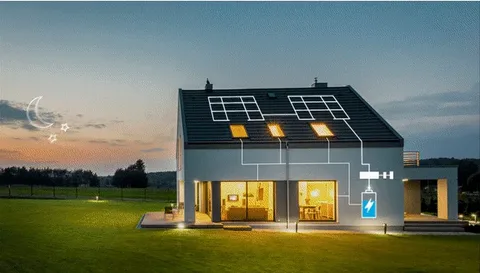
As energy costs continue to rise and environmental concerns grow, more homeowners are turning to renewable energy solutions. Installing a solar system at home is an excellent way to reduce electricity bills and contribute to a sustainable future. This step-by-step guide will help you understand the process of setting up a solar system at home, from planning to activation.
Why Install a Solar System at Home?
A solar system provides numerous benefits:
- Cost Savings: Reduce or even eliminate monthly electricity bills.
- Environmental Impact: Solar energy reduces greenhouse gas emissions.
- Energy Independence: Generate your own electricity and reduce reliance on the grid.
- Increase Property Value: Homes with solar systems are attractive to buyers.
Understanding these advantages helps motivate homeowners to invest in a solar energy system.
Step 1: Assess Your Energy Needs
Before installing a solar system at home, it’s important to determine your energy consumption. Check your past electricity bills to calculate your average monthly usage in kilowatt-hours (kWh). This will help in selecting the right size for your solar system.
Key Considerations:
- Peak electricity usage
- Roof space and orientation
- Local sunlight availability
- Budget for installation
Step 2: Choose the Right Solar System Components
A solar system typically consists of:
- Solar Panels: Capture sunlight and convert it into electricity.
- Inverter: Converts the direct current (DC) generated by panels into alternating current (AC) used in your home.
- Mounting System: Secures the panels to your roof or ground setup.
- Battery Storage (Optional): Stores excess electricity for nighttime use.
Selecting high-quality components ensures better performance and longevity.
Step 3: Obtain Necessary Permits and Approvals
Installing a solar system at home often requires approval from local authorities or utility companies. Make sure to:
- Apply for building permits
- Check grid connection requirements
- Explore available government incentives or tax rebates
Step 4: Install the Solar Panels
Proper installation is critical for efficiency and safety. Here’s a simplified process:
- Mount the panels on the roof or designated area
- Connect the panels to the inverter
- Wire the system to your home’s electrical panel
- Test the connections and ensure everything is secure
Professional installation is recommended to avoid risks and comply with regulations.
Step 5: Connect to the Grid and Activate
After installation:
- Have your system inspected by authorities if required
- Connect to the utility grid
- Activate the inverter to start generating electricity
Your solar system should now be operational, providing clean energy for your home.
Step 6: Monitor and Maintain Your System
Regular maintenance ensures your solar system remains efficient:
- Clean panels periodically to remove dust and debris
- Check inverter performance
- Monitor energy production via apps or monitoring systems
Conclusion
Installing a solar system at home is a smart investment for both your wallet and the environment. By following this Step-by-Step Guide to Installing a Solar System for house, homeowners can enjoy reliable, sustainable energy while reducing electricity costs. Remember to plan carefully, choose quality components, and perform regular maintenance to maximize the benefits of your solar energy system.
