


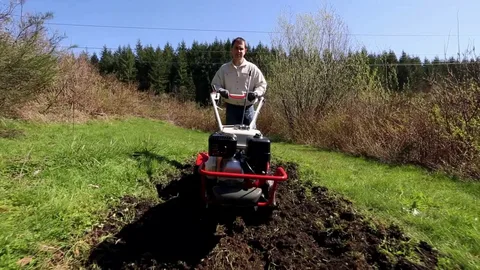
Gardening can be a rewarding hobby, but preparing your soil for planting can be one of the most physically demanding tasks. A garden tiller is a valuable tool that helps break up compacted soil and prepare it for planting. However, purchasing one isn’t always practical for occasional use. This is where renting comes into play. In this article, we’ll explore the pros and cons of renting a garden tiller to help you decide whether this option suits your gardening needs.
What Is a Garden Tiller?
A garden tiller is a motorized machine designed to loosen and aerate soil. It comes in various sizes and styles, including front-tine, rear-tine, and mini tillers. Depending on your garden’s size and soil condition, using a tiller can significantly reduce your workload and improve soil quality.
The Pros of Renting a Garden Tiller
1. Cost-Effective for Occasional Use
One of the pros of renting a garden tiller is that it’s much cheaper than buying one outright, especially if you only need it once or twice a year. Purchasing a tiller can be a major investment, whereas renting allows you to pay a fraction of the cost.
2. Access to High-Quality Equipment
Rental companies often carry well-maintained, commercial-grade tillers that are more powerful and efficient than entry-level models. This means better performance without the need for long-term maintenance or storage.
3. No Maintenance Worries
When you rent, you avoid the hassle of oil changes, replacing worn-out parts, or storing the machine in the off-season. The rental company takes care of all upkeep, ensuring that the tiller is ready to use when you pick it up.
The Cons of Renting a Garden Tiller
1. Limited Availability
One of the cons of renting a garden tiller is that availability can be an issue during peak gardening seasons. If you don’t book in advance, you may find that all units are already rented out.
2. Time Restrictions
Rental agreements typically allow for use over a fixed period—often by the hour or day. This can be stressful if your gardening project takes longer than expected. You may also face late fees if you don’t return it on time.
3. Learning Curve
If you’re not familiar with tiller operation, renting might not give you enough time to learn how to use it effectively. Improper use can lead to poor results or even damage to the tiller.
Should You Rent or Buy?
Deciding whether to rent or buy depends on your gardening frequency and budget. If you garden extensively each year, investing in your own tiller might make sense. However, for occasional soil preparation, the pros and cons of renting a garden tiller suggest that renting is often the smarter and more economical choice.
Conclusion
Understanding the pros and cons of renting a garden tiller can save you time, money, and effort in your gardening projects. Renting is ideal for those who need a powerful machine for a short time and want to avoid the long-term responsibilities of ownership. Just be sure to plan ahead and choose the right tiller for your specific soil and garden size.
