


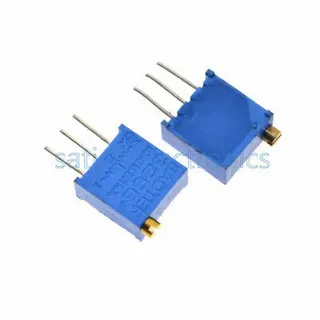
In the dynamic landscape of electronics, where adaptability and precision drive progress, the variable resistor stands out as a critical component for controlling electrical circuits. From adjusting the volume on a smart speaker to fine-tuning industrial automation systems, variable resistors enable seamless, real-time adjustments to current and voltage. As a global leader in PCB and component solutions, Jinxinyang Tech offers an extensive range of variable resistors and other high-quality components to empower industries worldwide. In this article, we’ll explore the transformative role of variable resistors, their diverse applications, and how they’re shaping the future of technology.
What Makes Variable Resistors Unique?
A variable resistor is an electronic component that allows users to adjust resistance within a circuit, offering precise control over electrical flow. Unlike fixed resistors, which maintain a constant resistance value, variable resistors provide flexibility, making them essential for applications requiring dynamic adjustments. Whether it’s a manual knob on a dimmer switch or an electronic signal in a smart device, variable resistors deliver the adaptability needed for modern electronics.
The global market for variable resistors is valued at over $15 billion, with billions of units produced each year. While fixed resistors are more common, the variable resistor is indispensable for applications demanding real-time control. At Jinxinyang Tech, we supply premium variable resistors designed for reliability, precision, and seamless integration across industries.
The Value of Variable Resistors
Variable resistors are prized for their ability to:
- Enable Precise Adjustments: Fine-tune current or voltage to optimize device performance.
- Enhance User Interaction: Provide intuitive controls like knobs or sliders for a seamless experience.
- Adapt to Changing Needs: Respond to environmental factors or user inputs in real-time.
Whether you’re designing consumer electronics or industrial systems, Jinxinyang Tech’s variable resistors deliver the performance and durability needed to bring your vision to life.
Types of Variable Resistors
Variable resistors come in several forms, each tailored to specific applications. Here’s a look at the main types and their unique capabilities:
1. Potentiometers: The Go-To for Voltage Control
Potentiometers are the most widely used variable resistor, featuring three terminals to divide voltage. By adjusting a knob or slider, users can control the output voltage, making them ideal for audio controls, light dimmers, and sensor calibration. Their logarithmic taper is particularly effective for audio applications, aligning with human sound perception.
Jinxinyang Tech offers potentiometers crafted from high-quality materials like carbon and conductive plastics, ensuring smooth operation and long-lasting performance.
2. Rheostats: Heavy-Duty Current Regulation
Rheostats are designed to control current, typically using two terminals. They excel in high-power applications, such as motor speed controls and industrial lighting systems. While less common in modern electronics, rheostats remain critical in heavy-duty settings. Our rheostats at Jinxinyang Tech are built to handle high currents with exceptional reliability.
3. Digital Potentiometers: Precision in the Digital Era
Digital potentiometers represent the next generation of variable resistor technology. Controlled by electronic signals, they eliminate mechanical components, offering superior accuracy and durability. These components are perfect for smart devices, microcontrollers, and automated systems requiring precise resistance settings.
Jinxinyang Tech’s digital potentiometers are compact and reliable, making them ideal for IoT and embedded applications.
4. Environmental Resistors: Smart Adaptability
Specialized variable resistors, such as photoresistors and thermistors, adjust resistance based on environmental factors like light or temperature. These are essential for adaptive systems, such as automatic lighting or climate control. Jinxinyang Tech’s extensive catalog includes these innovative components to support cutting-edge designs.
How Variable Resistors Work
A variable resistor operates by altering the path of electrical current through a resistive material. A sliding contact, or wiper, moves along a resistive track, changing the resistance based on its position. A longer path increases resistance, while a shorter path reduces it.
Core Components
- Resistive Track: Made from materials like carbon, ceramic, or conductive plastic, this sets the maximum resistance.
- Wiper: A movable contact that adjusts the resistance by sliding along the track.
- Terminals: Connection points that integrate the resistor into a circuit.
Adjustment methods vary by type. Mechanical variable resistors use knobs or sliders, while digital versions rely on electronic signals. Multi-turn potentiometers offer precise control, ideal for applications requiring fine adjustments.
Environmental Considerations
External factors can impact a variable resistor’s performance:
- Temperature: High temperatures may increase resistance due to material expansion.
- Humidity: Moisture can cause corrosion, affecting reliability.
- Mechanical Wear: Moving parts in mechanical resistors can degrade, leading to noise or inconsistent performance.
Jinxinyang Tech’s variable resistors are engineered with robust materials to withstand these challenges, ensuring consistent operation in diverse conditions.
Applications in Today’s World
The versatility of variable resistors makes them essential across a wide range of industries. Here are some key applications:
1. Consumer Electronics
Variable resistors are integral to consumer devices, enabling user-friendly controls. Potentiometers in audio systems allow precise volume and tone adjustments, while light dimmers use them to customize lighting. Jinxinyang Tech’s components ensure reliable performance in these everyday applications.
2. Industrial Automation
In industrial settings, variable resistors regulate motor speeds, stabilize power supplies, and control machinery. Rheostats and digital potentiometers are particularly valuable for heavy-duty applications, ensuring precision and efficiency. Our high-power components at Jinxinyang Tech meet these demanding requirements.
3. Automotive and IoT Solutions
Modern vehicles and IoT devices rely on variable resistors for sensors and adaptive systems. Photoresistors adjust lighting based on ambient conditions, while digital potentiometers optimize smart device performance. Jinxinyang Tech’s IoT-ready components support the next generation of connected technologies.
4. Research and Prototyping
Engineers use variable resistors in development boards and test equipment to simulate circuit conditions. Our range of development kits and tools at Jinxinyang Tech includes variable resistors to streamline innovation and prototyping.
Advantages and Challenges
Advantages
- Real-Time Control: Adjust resistance instantly to optimize circuit performance.
- Broad Applicability: Suitable for consumer, industrial, and high-tech applications.
- Intuitive Design: Mechanical controls like knobs and sliders enhance usability.
Challenges
- Mechanical Wear: Moving parts in mechanical variable resistors may degrade over time.
- Environmental Sensitivity: Temperature and humidity can affect performance.
- Cost: Variable resistors are more complex and costly than fixed resistors.
Jinxinyang Tech addresses these challenges with durable, high-quality components designed for longevity and reliability.
Testing and Maintenance Best Practices
Regular testing ensures a variable resistor performs optimally. A digital multimeter can measure resistance values and identify issues:
- Set the multimeter to resistance mode (Ω).
- Connect probes to the end terminals to measure the maximum resistance.
- Adjust the wiper and verify smooth resistance changes.
- Erratic readings or no change may indicate a faulty component.
Jinxinyang Tech’s variable resistors are rigorously tested to meet industry standards, minimizing maintenance needs.
Why Choose Jinxinyang Tech?
As a global leader in PCB and component solutions, Jinxinyang Tech offers a comprehensive range of electronic components, including variable resistors, integrated circuits, capacitors, inductors, and more. Our commitment to quality and innovation sets us apart:
- Extensive Inventory: From potentiometers to specialized resistors, we have the components you need.
- Global Support: Fast delivery and expert guidance for clients worldwide.
- Innovative Solutions: Components designed for emerging technologies like IoT and automation.
Visit szjxy-ic.com to explore our offerings and find the perfect variable resistors for your projects.
The Future of Variable Resistors
As technology advances, variable resistors are evolving to meet new demands. Innovations like conductive plastics and eco-friendly materials are improving durability and performance. Digital potentiometers are gaining traction for their precision and compact size, making them ideal for next-generation electronics.
Jinxinyang Tech stays ahead of these trends, offering state-of-the-art variable resistors to support industries like IoT, automotive, and renewable energy. Our components empower engineers to create innovative, reliable solutions.
Conclusion
The variable resistor is a vital component in modern electronics, offering unmatched control and adaptability. From potentiometers in consumer devices to digital resistors in smart systems, these components enable precise circuit management across industries. Despite challenges like wear and environmental sensitivity, advancements in design and materials continue to enhance their performance.
Jinxinyang Tech is proud to supply high-quality variable resistors and electronic components to power your projects. Whether you’re developing consumer gadgets or industrial systems, our solutions deliver excellence and reliability. Explore our offerings at szjxy-ic.com and discover how we can support your next innovation.
FAQs
What’s the difference between a potentiometer and a rheostat?
A potentiometer controls voltage with three terminals, while a rheostat controls current with two. Both are types of variable resistor but serve different purposes.
How do I test a variable resistor for faults?
Use a digital multimeter in resistance mode to measure across the terminals. Adjust the wiper to ensure smooth resistance changes. Erratic or static readings indicate a potential issue.
Why choose Jinxinyang Tech for variable resistors?
Jinxinyang Tech offers a vast selection of high-quality components, global support, and expertise to meet your project needs, from prototyping to large-scale production.
